 Il Circolo del Forno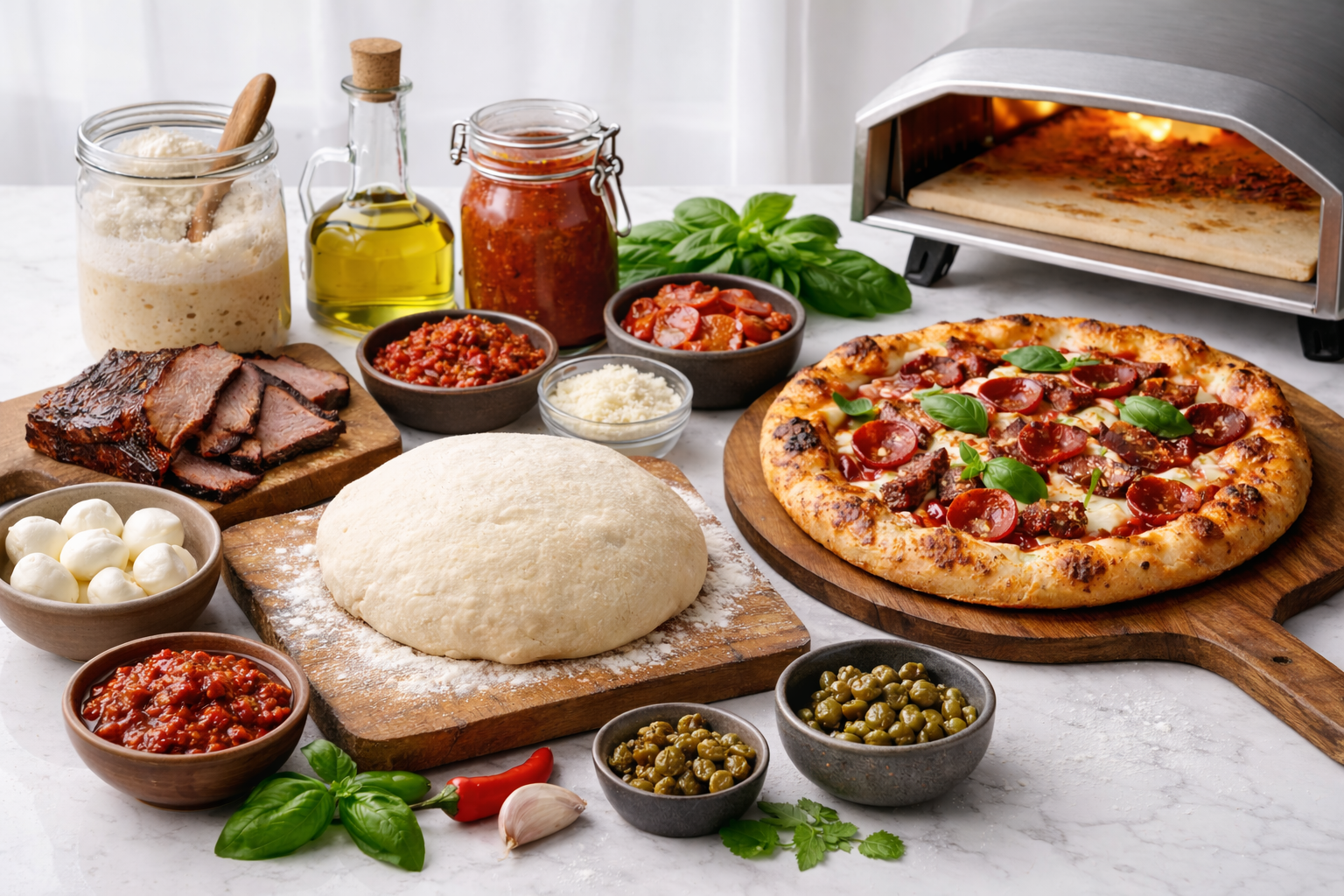
Trends matter to a certain extent. What truly counts for those making pizza at home is understanding which professional ideas can be adapted well to home dough, ovens, and ingredients.
In recent years, pizza has changed not only in restaurants but also in the way it is envisioned by those preparing it at home. The goal isn’t to chase novelty at all costs. The point is to learn how to recognize ideas that genuinely improve the final result: more balance in flavors, greater attention to dough, more control over cooking, and fewer random ingredients.
Many trends seen in pizzeria menus shouldn’t be copied verbatim. Some are created to grab attention, while others depend on ovens, service lines, and volumes that simply don’t exist at home. However, almost all of them contain a useful principle. When isolated and well-translated, a home oven can yield results much closer to a professional product than one might think.
1. Calabrian chili is a great ally even in a home oven
Among the ingredients gaining the most attention is Calabrian chili. It has a sharp spiciness, but it's less flat than many industrial sauces, and it brings a fruity and aromatic component that works very well on pizza.
For those making pizza at home, the advantage is twofold. On one hand, just a little product is needed to change the profile of the pizza. On the other, it’s an ingredient that’s easy to manage, as it can be added in cream form, chopped in oil, or in small dollops distributed post-baking. This helps avoid one of the most common mistakes in home baking: overloading the dough with wet toppings before baking.
The interesting principle here isn’t simply "add heat." It’s about working with contrast. Calabrian chili shines best when it meets a fatty and milky element, like burrata, stracciatella, or well-drained fior di latte, or a characterful cured meat, like ventricina, spianata, or sweet salami.
In practice at home: use chili as a finishing touch, not as a base. Add it in the final minutes of baking or immediately after removing from the oven, along with a creamy dairy product or dry cured meat. This way, you achieve more aroma and reduce the risk of burning or wetting the pizza.
2. Story-driven toppings work, but only if they have technical logic
Smoked brisket, braised meats, 'nduja, aged hams, pistachios, figs: contemporary pizza loves toppings that seem to have a story to tell. At home, however, the goal shouldn’t be to impress with expensive or challenging ingredients. The real lesson is another: choose a main element, build a coherent side around it, and measure everything with precision.
Brisket isn’t interesting just because it’s "American." It’s interesting because it brings smokiness, juiciness, and character. The same effect, in a home context, can be sought with meat slow-cooked the day before, shredded and...