 Il Circolo del Forno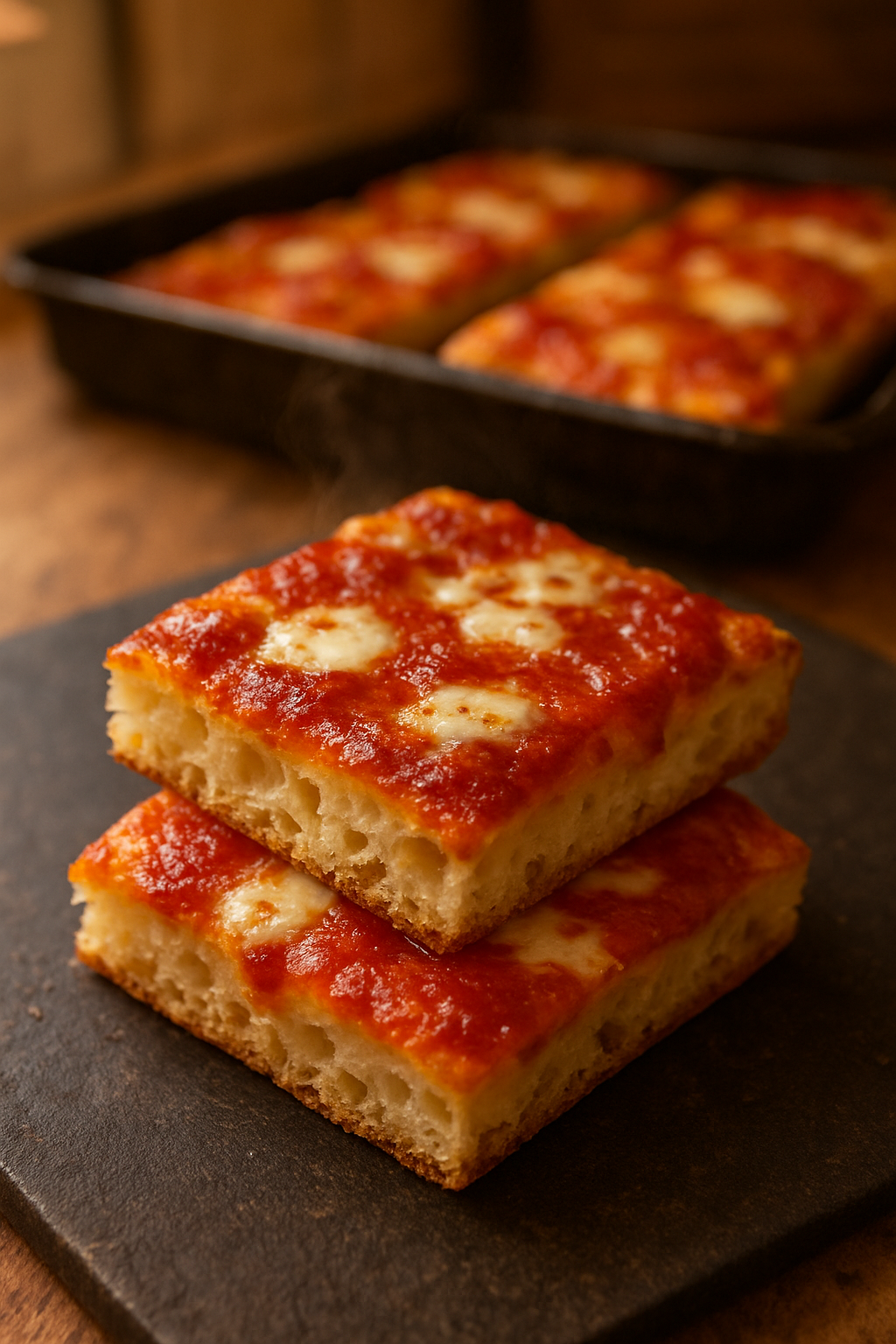
Imagine a kitchen filled with the rich, enveloping aroma of freshly baked bread, soon followed by the fragrant call of a pizza emerging from the oven with a lively, golden, and light crust. The results stem from careful timing, technique, and sensitivity. Among the most effective tools for achieving doughs rich in aroma, well-developed, and pleasant to the bite is the pre-ferment known primarily as biga. It's not a secret reserved for professionals but an accessible method for home bakers that bridges the practicality of commercial yeast with the aromatic depth associated with sourdough. When applied judiciously, biga elevates both bread and pizza, enhancing aroma, structure, tenderness, and flavor persistence.
Entering the world of biga means adopting an approach that is both artisanal and rational. This preparation, made famous and rigorously codified by Maestro Giorilli, replicates some virtues of sourdough with a more straightforward and controllable management. The key is the acidity that develops during fermentation: it’s not just a flavor component, but a factor that activates enzymatic processes useful for better defining the texture of the dough and prolonging its shelf-life. In bread, this translates to a more balanced, aromatic, and durable crumb; in pizza, it leads to a more fragrant base, drier to the bite, and more harmonious during baking, with a crunch that is less ephemeral and an overall greater lightness.
For a well-executed traditional biga, precision and respect for the working conditions are essential. A classic formula involves 2.2 lbs (1 kg) of flour type 00 with strength between W 300 and W 340, 15¾ oz (450g) of water, and ¼ oz (10g) of fresh yeast. The yeast is crumbled into the flour, all the water is added, and the mixture is kneaded briefly at low speed. The goal is not to achieve a smooth and perfectly cohesive dough, but a rough mass, collected in compact blocks, capable of retaining gases without overheating. The final temperature should be around 66°F (19°C), while the maturation requires about 16 hours in a stable environment between 61°F (16°C) and 64°F (18°C). When choosing to use biga as 100% of the final dough, diastatic malt extract becomes useful, in an indicative percentage between 2.5% and 3.5%, to support the fermentative activity and help a gluten network that, after such a long fermentation, is physiologically more delicate.
After refreshing, however, bread and pizza require different management. For bread, it’s advisable to allow the dough to recover volume with an initial generous rest until a clear increase is observed, and only then proceed with shaping the loaf or loaves. This way, development, regularity, and a well-extended crumb are favored. For pizza, whether round or in other shapes,